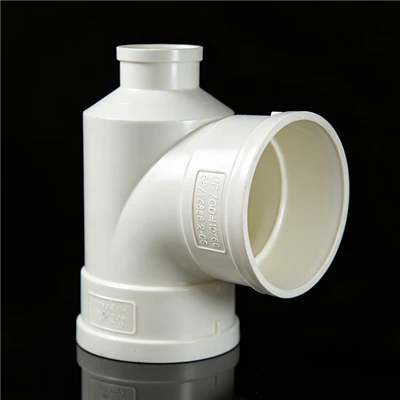
Corner piping is a high-risk area for leaks. The PPR angle ball valve integrates 90° directional change and on/off control into one unit, replacing the "elbow + straight valve" combination-fewer joints, less space. It is a common component for radiators and kitchen/bathroom branch lines. Selection is not about chasing the most expensive option; it's about matching specifications and adapting to the application.
I. Start with Specifications: Precise Matching of Pipe Diameter and Threads
Mismatched specifications lead to difficult installation and poor sealing. Key selection points:
• Socket Diameter: Must match the outer diameter of the pipe. 20mm is common for residential branch lines; 25mm for main lines and high-flow scenarios. Mismatching affects heat fusion quality.
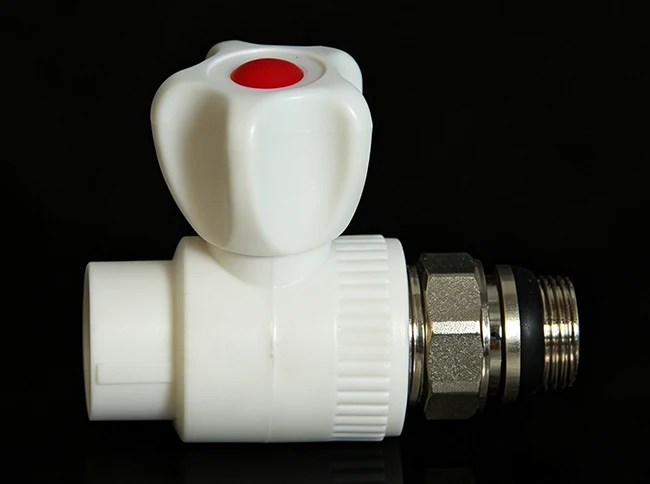
• Thread End: External thread models connect to internal thread devices. Mainstream sizes are 1/2" (4-point) and 3/4" (6-point), conforming to universal standards.
• Pressure Rating: PN20 for conventional systems; higher ratings for systems with significant pressure fluctuations; for long-term temperatures exceeding 70°C, brass or stainless steel valves are recommended.
• Temperature Suitability: Long-term ≤70°C, short-term peak 95°C, covering domestic hot water and low-temperature heating.
II. Match the Application: Select by Installation Location and Function
Different scenarios have different requirements; select according to needs to avoid waste or insufficiency.
• Radiator Heating: Choose PPR external thread angle ball valve, directly connecting to internal thread interfaces, smooth operation, manual flow adjustment for temperature control-standard for household heating.
• Kitchen/Bathroom Water Supply: Choose standard PPR angle valve for corner control of branch pipes under sinks and basins; compact size fits tight cabinet spaces.
• Underfloor Heating Branch Lines: For manifold ends and branch corner control, angle valves replace elbows, reducing leak points and facilitating maintenance shut-off.
• Confined Spaces: Prioritize one-piece angle valves, saving more space than assembled solutions, suitable for wall embedding and compact equipment interfaces.
III. Selection Core: Three Key Judgment Points
Quality differences concentrate on three parts: valve core, connection end, and handle.
• Valve Core: Choose rotary ball core, 90° open/close, labor-saving and good sealing; inferior cores stick and leak easily.
• Connection End: PPR socket with chamfer and positioning step ensures consistent heat fusion depth; choose brass for thread end, clear teeth, corrosion-resistant, no stripping.
• Handle: Choose engineering plastic handle, insulated and anti-scald; with anti-slip texture and open/close indicators for high operational visibility.
IV. Avoid Pitfalls: Four Common Selection Mistakes
1. Using straight valve + elbow instead of angle valve: One more joint means more leak risk, takes space, complicated installation-less reliable than one-piece angle valve.
2. Focusing only on unit price, ignoring sealing: Inferior cores have poor sealing and low thread precision; saving a few yuan now can lead to dozens of times higher repair costs later.
3. Wrong thread direction: Choose external thread angle valve for internal thread devices, internal thread for external; choosing wrong requires adapters, adding leak points and affecting aesthetics.
4. No maintenance space left for concealed installation: Leave valve body and handle in accessible positions; fully burying them makes operation impossible and requires wall damage for repairs.
The core of PPR angle ball valve selection is "matching": specifications, application, and quality should correspond. No need to blindly pursue higher pressure ratings or special features-products that meet standards and are properly installed will ensure long-term stable use.