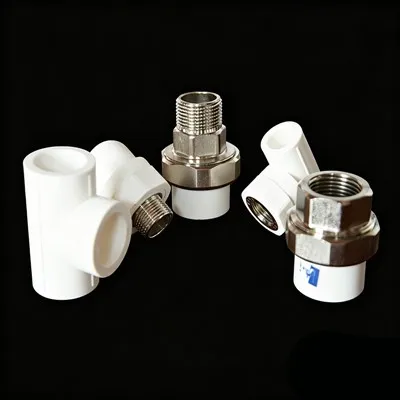
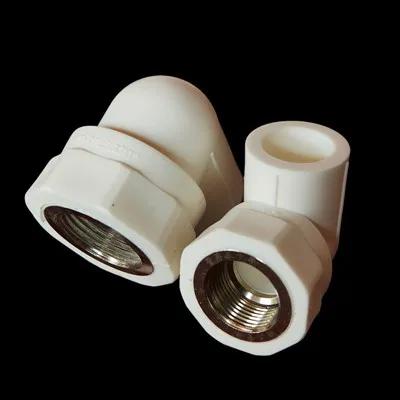
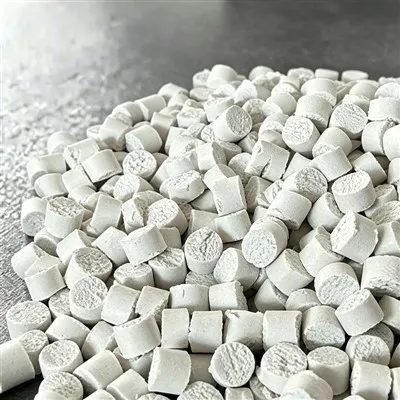
Hey there! As a PVC granules supplier, I often get asked whether PVC granules can be used for making pipes. Well, the short answer is yes, they absolutely can! In fact, PVC granules are one of the most popular materials for pipe manufacturing, and today, I'm gonna dive into the details of why that is and what makes them such a great choice.
Why PVC Granules Are Ideal for Pipe Making
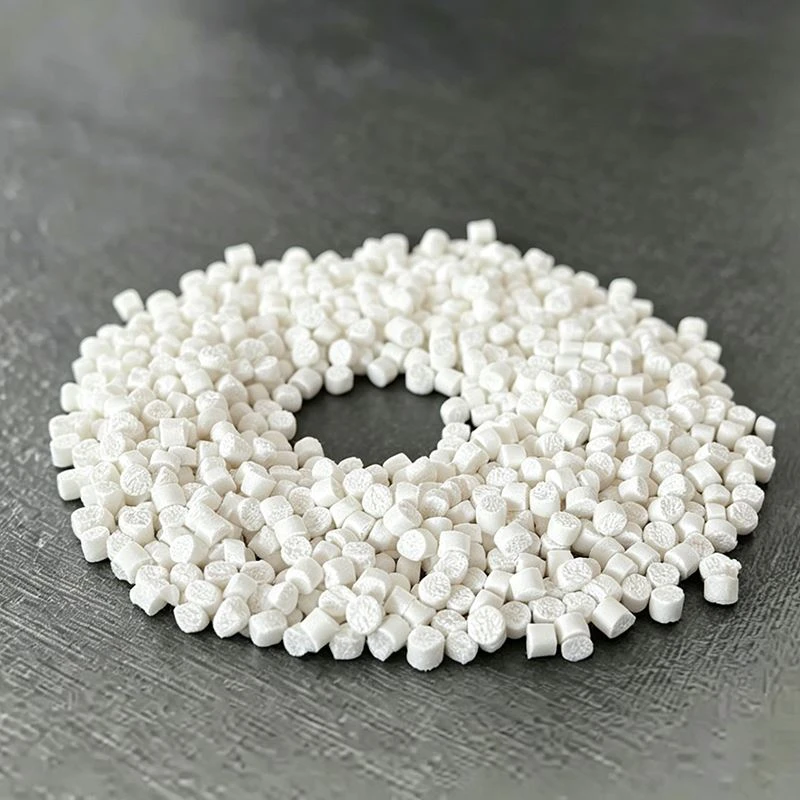
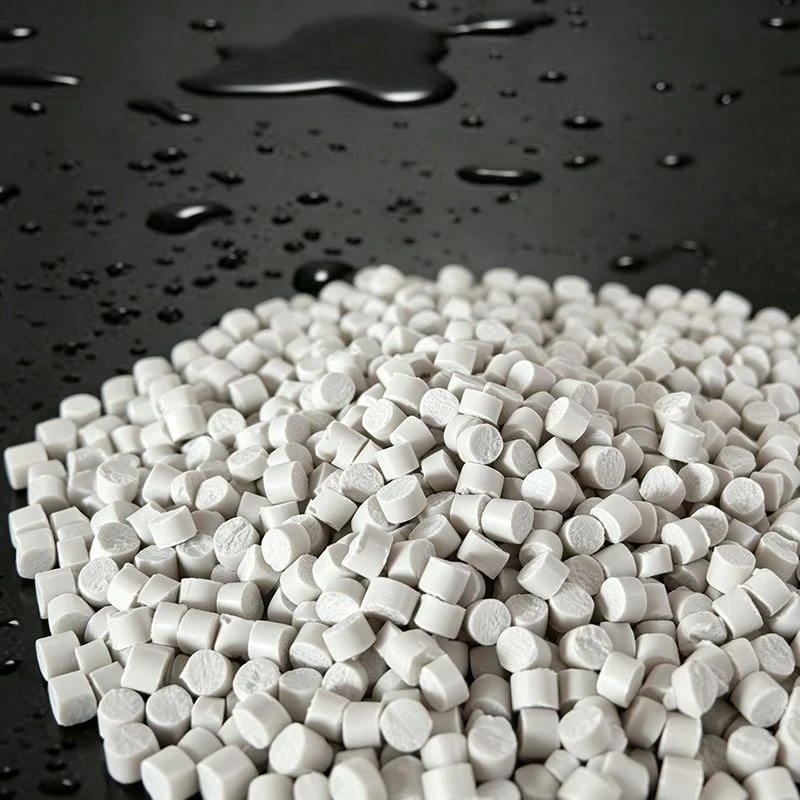
First off, let's talk about what PVC is. PVC stands for polyvinyl chloride, which is a type of plastic. PVC granules are small, pellet - like forms of this material. They're super versatile and can be easily melted down and molded into different shapes, including pipes.
One of the biggest advantages of using PVC granules for pipes is their durability. PVC pipes are known for being able to withstand a lot of wear and tear. They're resistant to corrosion, which means they won't rust or degrade when they come into contact with water, chemicals, or soil. This makes them perfect for a wide range of applications, from water supply systems to drainage and sewage pipes.
Another great thing about PVC pipes made from PVC granules is their cost - effectiveness. PVC is a relatively inexpensive material compared to some others like metal or concrete. This means that using PVC pipes can save a significant amount of money in the long run, especially for large - scale projects. Whether it's a municipal water supply project or a small - scale home renovation, the cost savings can be substantial.
PVC pipes are also lightweight. Unlike heavy metal pipes, PVC pipes are easy to handle and transport. This reduces the labor and equipment costs associated with installation. You don't need big, heavy machinery to move and install PVC pipes, which makes the whole process quicker and more efficient.
Different Types of PVC Granules for Pipe Making
There are several types of PVC granules that can be used for pipe production, each with its own unique properties.
Rigid PVC Granules are commonly used for making pipes that need to be strong and stiff. Rigid PVC pipes are often used in applications where high mechanical strength is required, such as sewer pipes and drainage systems. These granules provide a high degree of resistance to deformation and can withstand the pressure exerted by the flow of water or other substances.
PVC Cable Granules are not typically used for traditional water or sewage pipes but are important in the context of pipe - related applications. They are used to make pipes that house electrical cables. These pipes need to have good electrical insulation properties, and PVC cable granules are formulated to meet these requirements. They protect the cables from environmental factors and also prevent any electrical leakage or short - circuits.
PVC Plastic Granules are a more general term for PVC granules that can be used in various pipe - making scenarios. They can be customized to have different levels of flexibility, hardness, and other properties depending on the specific application. For example, some may be used for making flexible pipes for irrigation systems, while others can be used for rigid plumbing pipes in buildings.
PVC Compound Granules are a blend of PVC resin and other additives. These additives can enhance the performance of the pipes in different ways. For instance, they can improve the impact resistance, UV resistance, or fire retardancy of the pipes. This makes PVC compound granules suitable for a wide variety of environments and applications.
High Tensile Strength PVC Granules are designed for pipes that need to withstand high stresses. They are often used in industrial applications or in areas where the pipes may be subjected to external forces. For example, in regions with high - traffic areas or where there is a risk of mechanical damage, high - tensile - strength PVC pipes can ensure long - term performance.
The Manufacturing Process of PVC Pipes from Granules
The process of making PVC pipes from granules is quite interesting. First, the PVC granules are fed into an extruder. An extruder is a machine that heats the granules until they melt into a viscous liquid. The temperature and pressure inside the extruder are carefully controlled to ensure that the PVC melts evenly and maintains its desired properties.
Once the PVC is melted, it is forced through a die, which is a specially shaped tool. The die gives the molten PVC its pipe shape. The newly formed pipe then passes through a cooling system, where it is rapidly cooled to solidify. This cooling process is crucial as it determines the final dimensions and properties of the pipe.
After cooling, the pipes are cut to the desired lengths, and sometimes, additional finishing processes such as printing, threading, or adding fittings are carried out.
Quality Control in PVC Pipe Production
As a PVC granules supplier, I know that quality control is of utmost importance in the pipe - making process. Quality control starts with the PVC granules themselves. We test the granules for various properties such as particle size, melting point, and chemical composition to ensure they meet the required standards.
During the pipe manufacturing process, quality control checks are carried out at every stage. This includes measuring the dimensions of the pipes (such as diameter and wall thickness), testing their strength, and checking for any defects like cracks or uneven surfaces. Only pipes that pass these strict quality control measures are considered suitable for use.
Conclusion and Call to Action
In conclusion, PVC granules are an excellent choice for making pipes. They offer durability, cost - effectiveness, and versatility, making them suitable for a wide range of applications. Whether you need rigid pipes for sewage systems or flexible pipes for irrigation, there's a type of PVC granule that can meet your needs.
If you're in the market for PVC granules for pipe making, I'd love to have a chat with you. Let's discuss your specific requirements, and I can provide you with high - quality PVC granules that will help you produce top - notch pipes. Don't hesitate to get in touch for a procurement discussion!
References
- "Plastic Pipe Manufacturing Handbook", Industry Text Publishing
- "Polyvinyl Chloride: Properties, Processing, and Applications", Academic Press