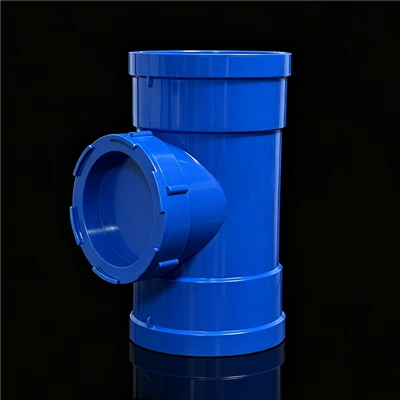
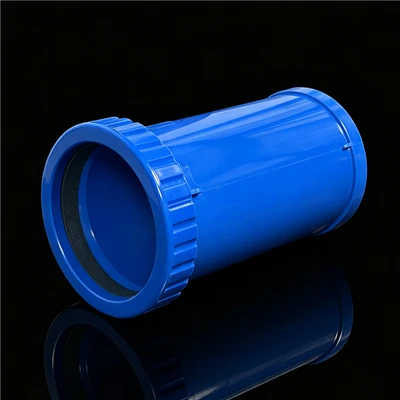
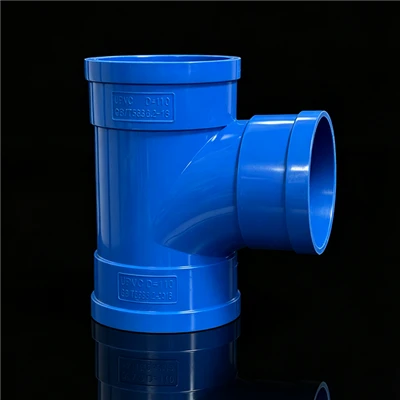
Plastic pipes are made from synthetic resin through extrusion processing. In 1939, Britain laid the world's first plastic water pipeline.
In my country, plastic pipes now account for 40% of all pipe types and are continuously replacing pipes made from other materials.
Plastic pipes are lightweight, generally only 1/10 to 1/6 the weight of metal pipes, making them convenient to transport and easy to install and maintain. Their surface is smoother than metal pipes, allowing them to withstand corrosion from high concentrations of acids and alkalis with a pH range of 1-14. They do not scale, have a low coefficient of friction, and low fluid resistance, reducing water transportation energy consumption by more than 5%. Their wear resistance is more than four times that of steel pipes. They have a maximum operating temperature of around 95℃, and their thermal conductivity is only 1/200 that of steel pipes, providing good insulation. Their service life is up to 50 years, while metal or concrete pipes typically last only 20 to 30 years. Furthermore, they offer excellent overall energy savings, reducing manufacturing energy consumption by 75%.