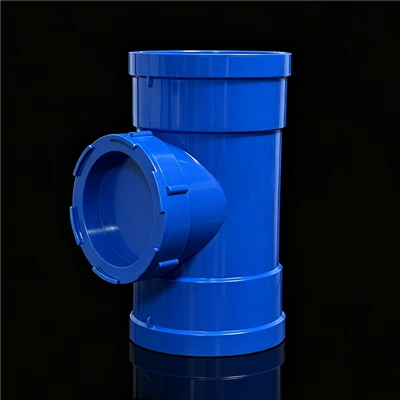
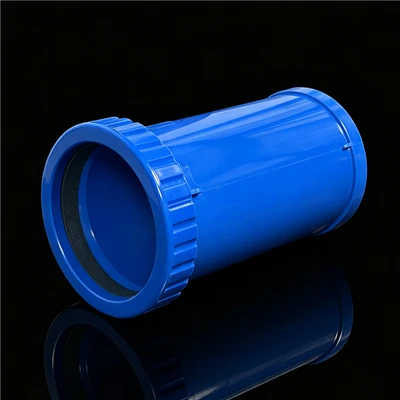
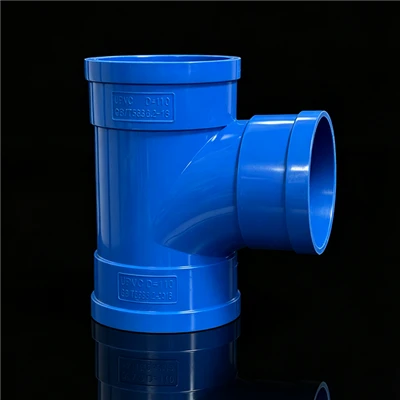
PVC pipes are synthetic materials made from polyvinyl chloride resin, stabilizers, lubricants, etc., through hot-press extrusion. As the world's second most used synthetic material, it is mainly divided into three types: PVC-U pipes, PVC-M pipes, and PVC-O pipes, with a melting temperature range of 185~205℃. Rigid PVC pipes account for about two-thirds of the market, featuring corrosion resistance and low price, suitable for drainage, water supply, and chemical fluid transportation. PVC-O pipes, with their strength enhanced through biaxial orientation technology, have been adopted in many countries, including the UK and France, and have been standardized under the ISO/DIS 16422-2006 standard.
China's PVC pipe production capacity has grown rapidly since the 1990s, reaching a total capacity of 2.8 million tons in 2003. In 1995, Europe's PVC material production reached 5 million tons, with consumption at 5.3 million tons, of which Germany's production and consumption both reached 1.4 million tons. PVC-U pipes dominate due to their high pressure resistance, but face competition from PE and PP-R pipes and the ban on lead-containing stabilizers. The production process includes mixing, extrusion and other steps. Its applications cover building water supply and drainage, medical devices and food packaging. It can also be combined with concrete to form construction support columns.