I. Why fiberglass PPR pipes are stiffer and more resistant to deformation
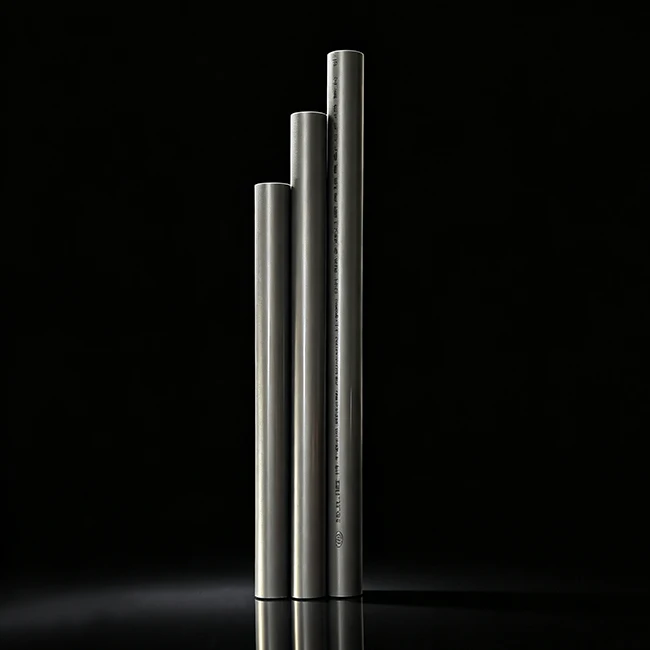
Fiberglass PPR pipes feature a three-layer structure with a fiberglass mesh layer sandwiched in the middle.
Standard PPR pipes tend to elongate and sag when exposed to hot water, whereas the fiberglass version expands only one-quarter as much and offers superior pressure and tensile strength. However, the fiberglass mesh is brittle; while it withstands uniform stress well, forceful, sharp bending can snap it, causing the pipe to lose its structural reinforcement.
II. Gentle adjustments and standard bending: Minimal impact on the pipe
Global installation standards dictate that for 20–32mm fiberglass PPR pipes, the minimum bending radius must be eight times the pipe diameter. Adjustments should be made slowly at ambient temperature; forceful snapping or heating with an open flame is prohibited.
Laboratory tests show that pipes bent gently according to standards-and subjected to thousands of hours of high-temperature, high-pressure testing-show no wall cracks. Compressive strength drops by only 2%, making them perfectly suitable for long-term residential and commercial use without compromising their 50-year design lifespan.
III. Sharp bends, excessive force, or tight radii: Permanent pipe damage
Three common bending errors on construction sites can directly damage the internal fiberglass layer:
Bending radius is too tight (less than five times the pipe diameter)
The opposing forces of stretching (outer wall) and compression (inner wall) cause the fiberglass to snap. Tests show a 27% drop in pressure resistance, making the pipe prone to leakage after just two or three years.
Forced bending in cold winter temperatures
The material becomes brittle in the cold, and invisible micro-cracks form at the bend; repeated water pressure surges later can easily cause the pipe to burst.
Flattening the pipe during bending
This causes extensive delamination of the fiberglass, effectively turning the pipe into standard PPR. It will sag significantly when carrying hot water, and the risk of joint leakage increases sixfold.
Data from high-temperature construction sites in the Middle East shows that improperly bent pipelines have a repair rate exceeding 30% within three years.
Industry standards clearly state: Fiberglass PPR pipes that develop creases or flattened dents during bending must be cut out and discarded; they cannot be used for water transport.
IV. Globally Recognized Best Practices for Installation
Piping associations worldwide universally recommend avoiding the bending of PPR fiberglass-reinforced pipes whenever possible.
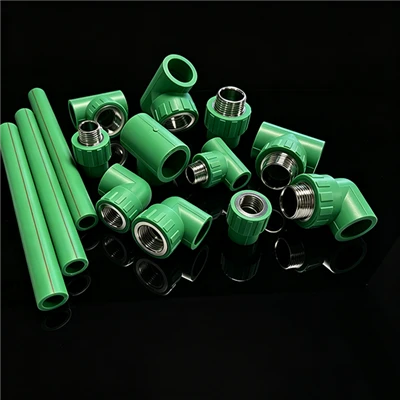
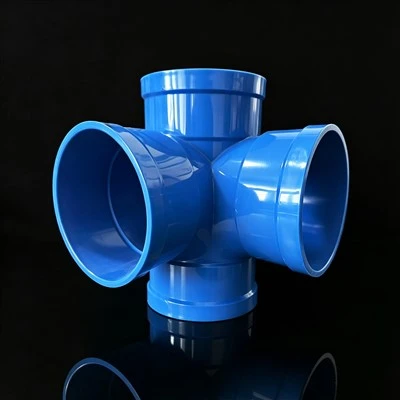
To change the piping route, use compatible elbows and crossover fittings to connect straight pipe sections rather than manually bending the pipe itself.
In professional renovation projects and hotel installations across Europe, the Americas, and Southeast Asia, directional changes are achieved exclusively through the use of fittings; only temporary, makeshift plumbing setups allow for slight curvature adjustments. For permanent residential plumbing and commercial hot water systems, any form of forced bending is strictly prohibited.
Compliant, gentle, and minor adjustments will not damage PPR fiberglass-reinforced pipes, ensuring safe, trouble-free long-term use.
Conversely, forced bending, creating excessively tight curves, or bending at low temperatures can damage the internal fiberglass reinforcement. This leads to a permanent reduction in pressure resistance and aging stability, creating a high risk of future leaks or pipe bursts.
Recommendation for installers and purchasers worldwide: When sourcing PPR fiberglass-reinforced pipes, ensure a complete set of fittings is acquired. Prioritize the use of fittings to alter the piping path and minimize pipe bending to reduce the likelihood of future maintenance issues.