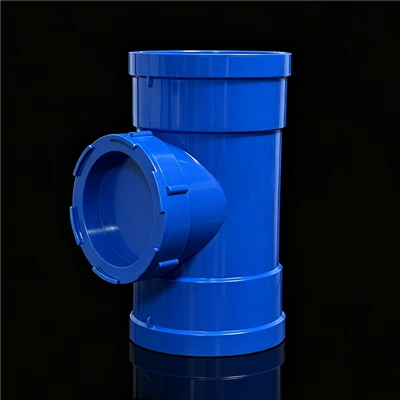
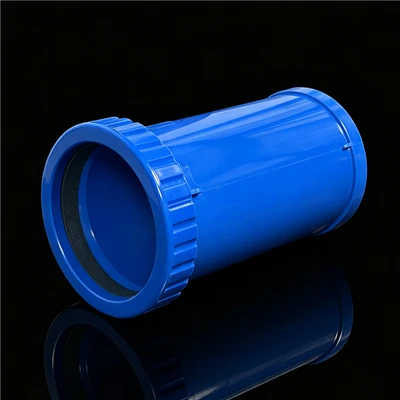
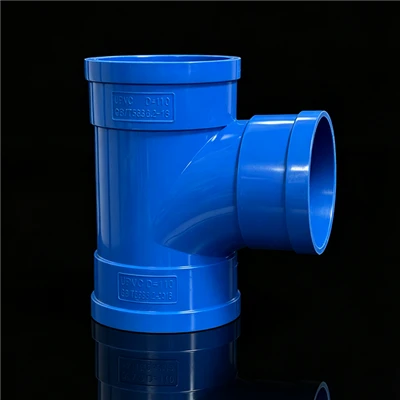
PP-R pipes are made from random copolymer polypropylene (PP-R) resin as the main raw material through extrusion molding; fittings are made through injection molding.
During extrusion molding, processing temperature is a critical parameter. Production typically uses a single-screw extruder with a dedicated screw and extrusion die for PP-R pipes, including a mixing section. The molding temperature is generally controlled between 210 and 260℃. Excessive temperature can cause material accumulation at the die, leading to raw material degradation and a decline in the performance of the pipe product.
To improve the low-temperature toughness of PP-R pipes, a secondary curing process can be used. This process typically involves treating the pipe at 105℃ for 4 hours, causing the molecular chains inside the pipe to expand and undergo secondary crystallization, thus significantly reducing its brittleness at low temperatures.
PP-R performance can be improved through material modification. For example, compounding with a β-nucleating agent mainly composed of phthalic anhydride and lanthanum oxide can refine the grain size, increase the elastic modulus and rigidity of the pipe, and reduce the coefficient of thermal expansion, thereby giving the pipe the ability to operate normally at low temperatures. Furthermore, by modifying PP-R raw materials through special processes, or by employing technologies such as crystal structure control and nanocomposite techniques, the overall performance of the material, including its anti-aging properties, temperature and pressure resistance, can be improved.
PP-R aluminum-plastic composite pipe is a composite pipe material, employing a five-layer composite structure of polypropylene-adhesive-aluminum-adhesive-polypropylene, combining the flexibility of plastic pipes with the rigidity of metal pipes.
Functional PP-R pipes can be manufactured through special processes. For example, biomimetic anti-scaling PP-R pipes, inspired by the self-cleaning principle of lotus leaves, often utilize a three-layer co-extrusion technology, integrating the three layers into one, providing functions such as hydrophobicity, scale inhibition, light blocking, and impact resistance.