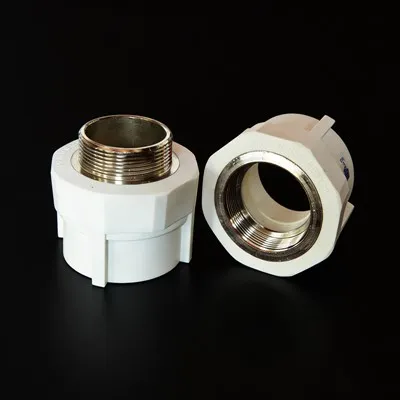
PPR (Polypropylene Random Copolymer) reduce sockets are essential components in plumbing systems, especially when it comes to connecting pipes of different diameters. As a PPR reduce socket supplier, I often get asked about the corrosion resistance of these products. In this blog post, I will delve into the science behind PPR reduce sockets and their ability to withstand corrosion.
Understanding PPR Material
PPR is a type of thermoplastic polymer that is widely used in plumbing applications due to its excellent properties. It is made from a random copolymer of propylene, which gives it a high degree of flexibility, strength, and chemical resistance. PPR pipes and fittings are known for their smooth inner surface, which reduces friction and prevents the buildup of deposits.
One of the key advantages of PPR is its resistance to corrosion. Unlike metal pipes, which can rust and corrode over time, PPR is not affected by water, chemicals, or other environmental factors. This makes it an ideal material for use in plumbing systems, where it can provide long-lasting performance and reliability.
Corrosion Resistance of PPR Reduce Sockets
PPR reduce sockets are designed to connect pipes of different diameters, allowing for a smooth transition between different sections of a plumbing system. These sockets are typically made from the same PPR material as the pipes, which means they inherit the same corrosion-resistant properties.
The corrosion resistance of PPR reduce sockets is due to several factors. First, PPR is a non-metallic material, which means it does not react with water or other chemicals in the same way that metal does. This makes it resistant to rust, oxidation, and other forms of corrosion.


Second, PPR has a high degree of chemical resistance. It is able to withstand exposure to a wide range of chemicals, including acids, alkalis, and solvents. This makes it suitable for use in a variety of applications, including industrial and commercial plumbing systems.
Finally, PPR reduce sockets are designed with a smooth inner surface, which helps to prevent the buildup of deposits and debris. This reduces the risk of corrosion and ensures that the sockets remain clean and free-flowing over time.
Factors Affecting Corrosion Resistance
While PPR reduce sockets are generally resistant to corrosion, there are several factors that can affect their performance. These include:
- Water Quality: The quality of the water in the plumbing system can have a significant impact on the corrosion resistance of PPR reduce sockets. Water that is high in minerals, such as calcium and magnesium, can cause scale buildup on the inner surface of the sockets, which can reduce their performance and increase the risk of corrosion.
- Temperature: PPR is a thermoplastic material, which means it can be affected by temperature changes. High temperatures can cause the material to soften and deform, while low temperatures can make it brittle and prone to cracking. It is important to choose PPR reduce sockets that are designed to withstand the temperature range of the plumbing system.
- Chemical Exposure: PPR reduce sockets can be exposed to a variety of chemicals in the plumbing system, including cleaning agents, disinfectants, and other chemicals. It is important to choose sockets that are resistant to these chemicals and to follow the manufacturer's recommendations for use.
Testing and Certification
To ensure the corrosion resistance of PPR reduce sockets, it is important to choose products that have been tested and certified by independent organizations. These organizations test the sockets for a variety of properties, including corrosion resistance, pressure resistance, and temperature resistance.
One of the most widely recognized certification bodies for PPR pipes and fittings is the NSF (National Sanitation Foundation). The NSF certifies products that meet strict standards for safety and performance, including corrosion resistance. When choosing PPR reduce sockets, look for products that have been certified by the NSF or other reputable organizations.
Other PPR Fittings
In addition to PPR reduce sockets, there are several other types of PPR fittings that are commonly used in plumbing systems. These include PPR Short Corssover, Cold Hot Water PPR Valve, and Brass Thread PPR Pipe Fitting. These fittings are also made from PPR material and offer the same corrosion-resistant properties as PPR reduce sockets.
Conclusion
In conclusion, PPR reduce sockets are highly resistant to corrosion and offer a reliable and long-lasting solution for plumbing systems. Their non-metallic construction, high chemical resistance, and smooth inner surface make them an ideal choice for a variety of applications. However, it is important to choose products that have been tested and certified by independent organizations and to consider the factors that can affect their performance, such as water quality, temperature, and chemical exposure.
If you are in the market for PPR reduce sockets or other PPR fittings, I encourage you to contact me to discuss your specific needs. I am a PPR reduce socket supplier with years of experience in the industry, and I can help you choose the right products for your plumbing system. Whether you are a homeowner, a contractor, or a business owner, I am committed to providing you with high-quality products and excellent customer service.
References
- ASTM International. (2018). Standard Specification for Polypropylene (PP) Random Copolymer Plastic Pipe, Tubing, and Fittings. ASTM F2389-18.
- NSF International. (2021). NSF/ANSI 61: Drinking Water System Components – Health Effects.
- Plastic Pipe Institute. (2021). PPR Pipe and Fittings: A Guide to Installation and Use.