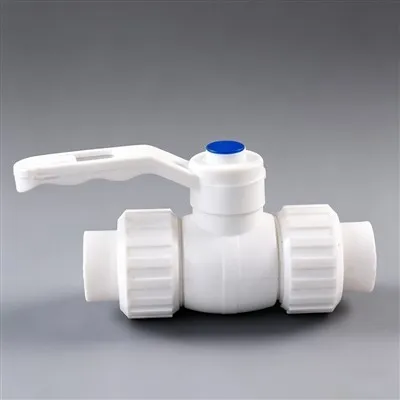
As a trusted supplier of PPR stop valves, I understand the paramount importance of ensuring safety when operating these essential components in plumbing systems. PPR (Polypropylene Random Copolymer) stop valves are widely used for controlling the flow of water in both residential and commercial settings due to their excellent chemical resistance, durability, and ease of installation. However, improper operation can lead to various safety hazards, such as leaks, bursts, and even water damage. In this blog post, I will share some key tips and best practices on how to ensure the safety of operating PPR stop valves.
1. Proper Installation
The first step in ensuring the safety of PPR stop valves is proper installation. Incorrect installation can compromise the integrity of the valve and lead to leaks or other issues down the line. Here are some important points to keep in mind during the installation process:
- Use the Right Tools: Make sure to use the appropriate tools for installing PPR stop valves. This includes pipe cutters, soldering irons (for heat-fusion joints), and wrenches. Using the wrong tools can damage the valve or the pipes, leading to leaks.
- Follow the Manufacturer's Instructions: Always follow the manufacturer's installation instructions carefully. Different PPR stop valves may have specific installation requirements, such as the recommended depth of insertion, the temperature and time settings for heat-fusion joints, etc. Deviating from these instructions can result in poor installation quality and safety risks.
- Check for Compatibility: Ensure that the PPR stop valve is compatible with the pipes and other fittings in the plumbing system. This includes checking the pipe diameter, pressure rating, and material compatibility. Using incompatible components can lead to leaks or other problems.
- Install in a Suitable Location: Install the PPR stop valve in a location that is easily accessible for operation and maintenance. Avoid installing the valve in areas where it may be exposed to excessive heat, cold, or physical damage. Also, make sure that the valve is installed in a vertical position to ensure proper drainage and prevent water accumulation.
2. Regular Inspection and Maintenance
Regular inspection and maintenance are essential for ensuring the long-term safety and performance of PPR stop valves. Here are some important maintenance tasks that should be carried out regularly:
- Visual Inspection: Conduct a visual inspection of the PPR stop valve and the surrounding pipes and fittings at least once a year. Look for signs of leaks, cracks, corrosion, or other damage. If any issues are detected, they should be addressed immediately to prevent further damage.
- Check the Valve Operation: Test the operation of the PPR stop valve periodically to ensure that it is functioning properly. Turn the valve on and off several times to check for smooth operation and to ensure that it can shut off the water flow completely. If the valve is difficult to operate or if it does not shut off the water flow properly, it may need to be repaired or replaced.
- Clean the Valve: Clean the PPR stop valve periodically to remove any dirt, debris, or mineral deposits that may have accumulated inside the valve. This can help to prevent clogging and ensure proper operation. Use a soft brush and mild detergent to clean the valve, and rinse it thoroughly with water.
- Replace the Seals: Over time, the seals in the PPR stop valve may wear out or become damaged, leading to leaks. It is recommended to replace the seals every few years to ensure a tight seal and prevent leaks. Make sure to use high-quality seals that are compatible with the valve.
3. Correct Operation
Proper operation of PPR stop valves is crucial for ensuring safety. Here are some important points to keep in mind when operating PPR stop valves:
- Turn the Valve Slowly: When turning the PPR stop valve on or off, do it slowly and smoothly. Avoid turning the valve too quickly or forcefully, as this can damage the valve or the pipes.
- Do Not Over-Tighten: When closing the PPR stop valve, do not over-tighten it. Over-tightening can damage the valve or the seals, leading to leaks. Tighten the valve just enough to shut off the water flow completely.
- Use the Right Handle: Make sure to use the correct handle for operating the PPR stop valve. Some valves may have a lever handle, while others may have a wheel handle. Using the wrong handle can make it difficult to operate the valve and may also damage the valve.
- Do Not Use the Valve as a Flow Regulator: PPR stop valves are designed to shut off the water flow completely, not to regulate the flow. Do not use the valve as a flow regulator, as this can cause the valve to wear out prematurely and lead to leaks.
4. Compatibility with Other Components
PPR stop valves should be used in conjunction with other compatible components in the plumbing system to ensure safety. Here are some important points to keep in mind:


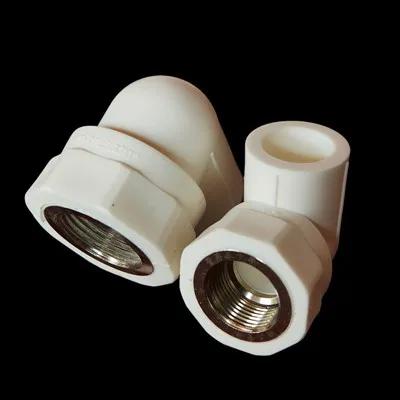
- Use PPR Fittings: When installing PPR stop valves, use only PPR fittings that are compatible with the valve. This includes PPR Female Tee, PPR Three-prong Connector, Double-threaded Elbow, and Plastic PPR Male Tee. Using non-compatible fittings can lead to leaks or other problems.
- Check the Pressure Rating: Make sure that the PPR stop valve and the other components in the plumbing system have the same pressure rating. Using components with different pressure ratings can lead to leaks or bursts.
- Consider the Temperature Range: PPR stop valves are designed to operate within a certain temperature range. Make sure that the valve and the other components in the plumbing system are suitable for the temperature conditions in which they will be used. Using components that are not suitable for the temperature range can lead to damage or failure.
5. Training and Education
Proper training and education are essential for ensuring the safety of operating PPR stop valves. Here are some important points to keep in mind:
- Train the Installers: Make sure that the installers of PPR stop valves are properly trained and qualified. They should have a good understanding of the installation process, the safety requirements, and the proper use and maintenance of the valves.
- Educate the Users: Provide the users of PPR stop valves with clear instructions on how to operate and maintain the valves safely. This includes information on how to turn the valve on and off, how to check for leaks, and what to do in case of an emergency.
- Stay Up-to-Date with the Latest Standards and Regulations: Keep up-to-date with the latest standards and regulations related to the installation, use, and maintenance of PPR stop valves. This can help to ensure that the valves are installed and operated in accordance with the best practices and safety requirements.
Conclusion
Ensuring the safety of operating PPR stop valves is essential for preventing leaks, bursts, and other safety hazards in plumbing systems. By following the tips and best practices outlined in this blog post, you can ensure that your PPR stop valves are installed, maintained, and operated safely. If you have any questions or need further information on PPR stop valves or other plumbing components, please feel free to contact us. We are a leading supplier of Cold Hot Water PPR Valve and other high-quality PPR fittings, and we are committed to providing our customers with the best products and services. Contact us today to discuss your procurement needs and let us help you find the right solutions for your plumbing projects.
References
- "Plumbing Handbook" - A comprehensive guide to plumbing systems and components.
- Manufacturer's installation and operation manuals for PPR stop valves.