How to Seal Plastic PPR Pipe Fittings to Prevent Leakage?
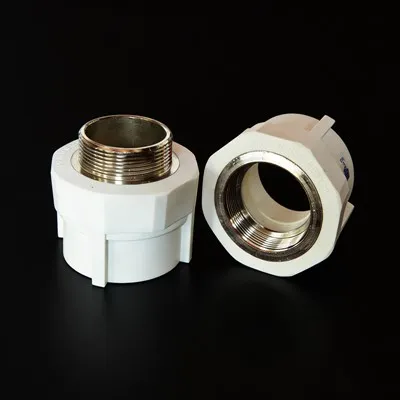
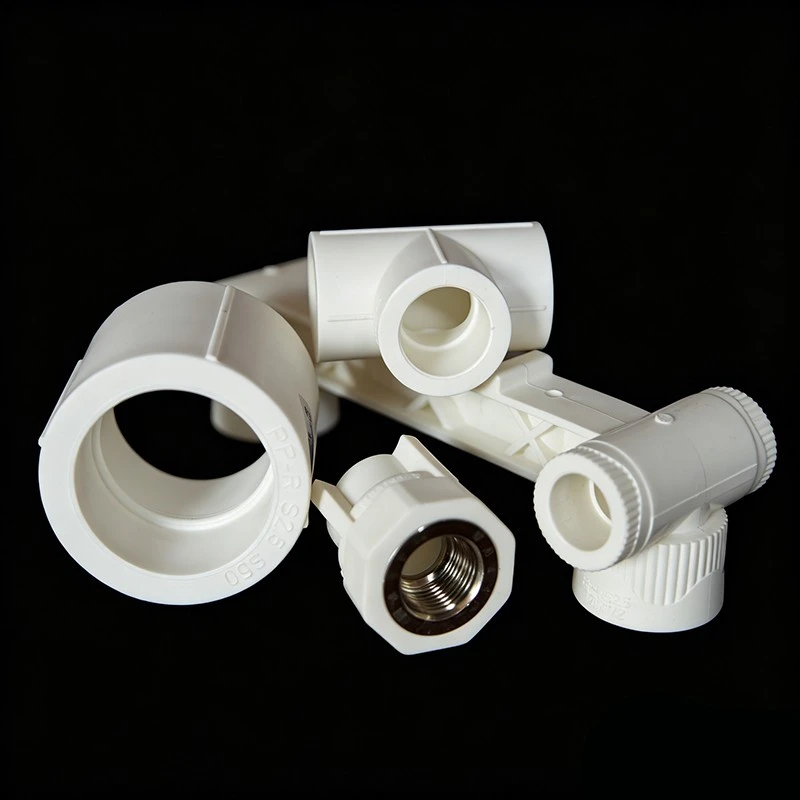
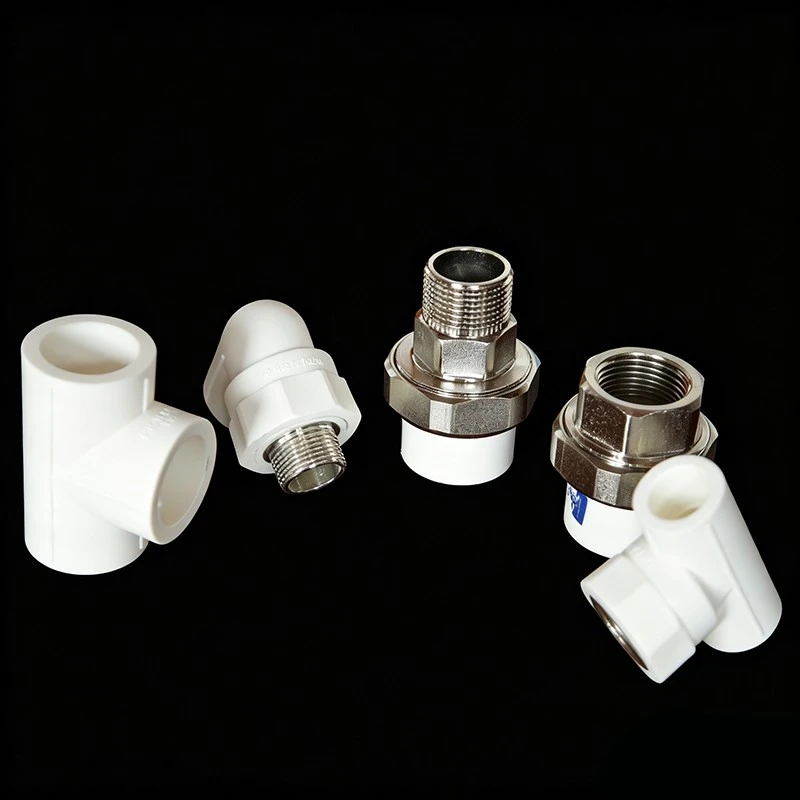
As a supplier of Plastic PPR Pipe Fittings, I understand the importance of proper sealing to prevent leakage in plumbing systems. PPR (Polypropylene Random Copolymer) pipe fittings are widely used in both residential and commercial plumbing due to their durability, corrosion resistance, and ease of installation. However, improper sealing can lead to leaks, which can cause significant damage to property and result in costly repairs. In this blog post, I will share some essential tips on how to seal PPR pipe fittings effectively to prevent leakage.
Understanding PPR Pipe Fittings
Before we delve into the sealing process, it's crucial to understand the characteristics of PPR pipe fittings. PPR pipes and fittings are made from a thermoplastic material that can be joined using a fusion welding process. This process involves heating the pipe and fitting to a specific temperature and then joining them together, creating a strong and permanent bond. Unlike traditional metal pipes, PPR pipes do not require threading or the use of sealing tapes, making them a popular choice for modern plumbing systems.
Preparing for Installation
Proper preparation is key to ensuring a successful PPR pipe fitting installation. Here are some steps to follow before starting the installation process:
- Measure and Cut the Pipes: Use a sharp pipe cutter to cut the PPR pipes to the required length. Make sure the cuts are clean and straight to ensure a proper fit with the fittings.
- Clean the Pipes and Fittings: Before joining the pipes and fittings, clean the surfaces thoroughly to remove any dirt, debris, or grease. This will help to ensure a strong bond between the pipe and fitting.
- Mark the Insertion Depth: Use a marker to mark the insertion depth on the pipe. This will help you to ensure that the pipe is inserted to the correct depth into the fitting.
Sealing PPR Pipe Fittings
Once you have prepared the pipes and fittings, it's time to seal them together. Here are the steps to follow:
- Heat the Pipe and Fitting: Use a PPR pipe welding machine to heat the pipe and fitting to the recommended temperature. The temperature will depend on the size and thickness of the pipe and fitting. Make sure to follow the manufacturer's instructions carefully.
- Insert the Pipe into the Fitting: Once the pipe and fitting are heated, quickly insert the pipe into the fitting up to the marked insertion depth. Hold the pipe and fitting in place for a few seconds to allow the plastic to cool and solidify.
- Check the Seal: After the plastic has cooled, check the seal to ensure that it is tight and leak-free. You can do this by applying pressure to the pipe and fitting and checking for any signs of leakage.
Common Mistakes to Avoid
To ensure a successful PPR pipe fitting installation, it's important to avoid the following common mistakes:
- Overheating the Pipe and Fitting: Overheating the pipe and fitting can cause the plastic to become brittle and weak, which can lead to leaks. Make sure to follow the manufacturer's instructions carefully and use the correct temperature setting on the welding machine.
- Inserting the Pipe Too Far or Not Far Enough: Inserting the pipe too far or not far enough into the fitting can also cause leaks. Make sure to mark the insertion depth on the pipe and insert it to the correct depth.
- Not Cleaning the Pipes and Fittings: Failing to clean the pipes and fittings before joining them can prevent the plastic from bonding properly, which can lead to leaks. Make sure to clean the surfaces thoroughly before starting the installation process.
Maintenance and Inspection
Once the PPR pipe fittings are installed, it's important to perform regular maintenance and inspections to ensure that they are functioning properly. Here are some tips to follow:
- Check for Leaks Regularly: Inspect the pipes and fittings regularly for any signs of leakage. If you notice any leaks, repair them immediately to prevent further damage.
- Avoid Excessive Pressure: Excessive pressure can cause the pipes and fittings to crack or burst, which can lead to leaks. Make sure to follow the manufacturer's recommended pressure limits.
- Protect the Pipes and Fittings: Protect the pipes and fittings from damage by avoiding contact with sharp objects and chemicals. If the pipes and fittings are exposed to extreme temperatures or sunlight, consider using insulation to protect them.
Conclusion
Sealing PPR pipe fittings properly is essential to prevent leakage and ensure the long-term performance of your plumbing system. By following the tips outlined in this blog post, you can ensure a successful PPR pipe fitting installation and avoid costly repairs. If you have any questions or need further assistance, please don't hesitate to contact us. We are a leading supplier of Plumbing PPR Fittings, PPR Water Pipe Fittings, and PPR Plumbing Material Fitting, and we are committed to providing our customers with high-quality products and excellent customer service.
If you are interested in purchasing our PPR pipe fittings, please contact us to discuss your requirements and get a quote. We look forward to working with you!
References
- "PPR Pipe Fittings Installation Guide," Manufacturer's Manual
- "Plumbing Handbook," Professional Plumbing Association