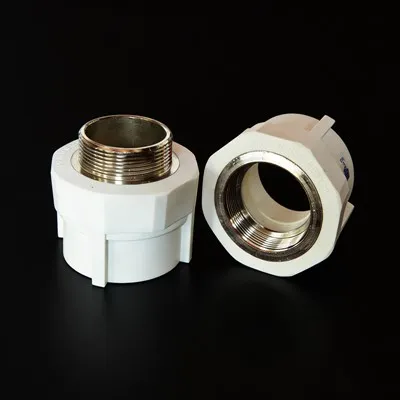
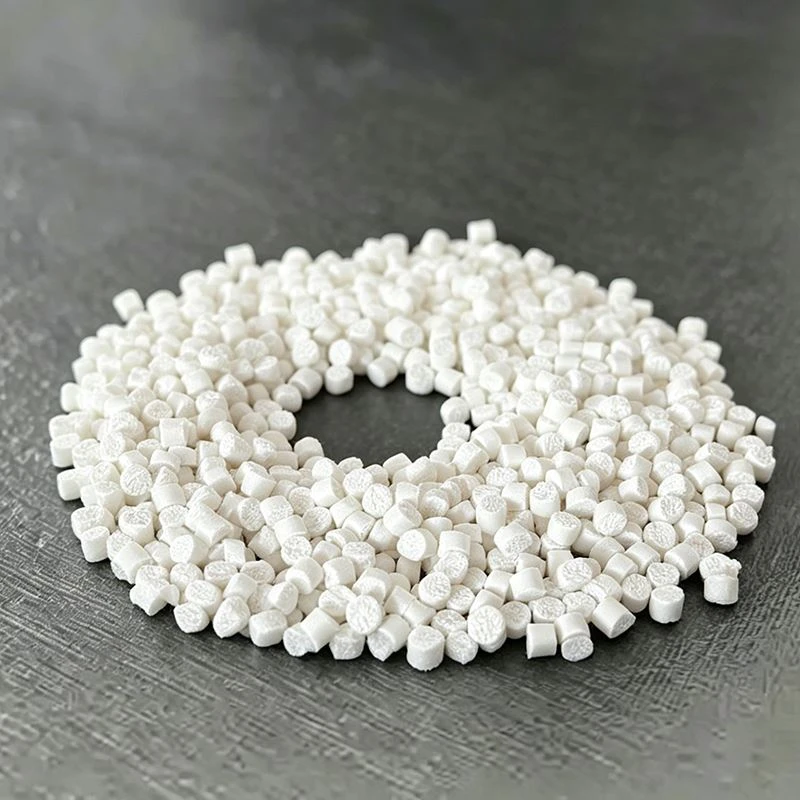
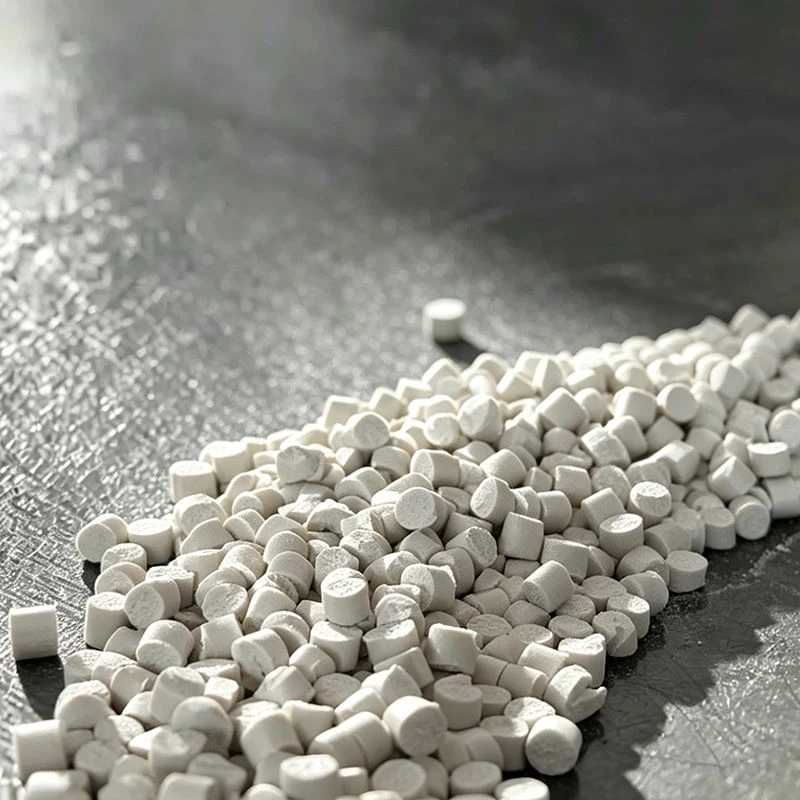
Storing PVC granules properly is crucial to prevent degradation and maintain their quality. As a PVC granules supplier, I understand the importance of providing customers with guidance on how to store these materials effectively. In this blog post, I will share some key strategies and best practices for storing PVC granules to prevent degradation.
Understanding PVC Granule Degradation
Before delving into storage methods, it's essential to understand what causes PVC granule degradation. PVC, or polyvinyl chloride, is a thermoplastic polymer that can be affected by various factors, including heat, light, oxygen, and moisture. When exposed to these elements, PVC granules can undergo chemical changes that lead to discoloration, brittleness, and a decrease in mechanical properties.
Storage Environment
The storage environment plays a significant role in preventing PVC granule degradation. Here are some key factors to consider:
Temperature
PVC granules should be stored in a cool, dry place. High temperatures can accelerate the degradation process, causing the granules to become sticky and lose their integrity. Ideally, the storage temperature should be between 10°C and 30°C (50°F and 86°F). Avoid storing PVC granules in areas that are exposed to direct sunlight or near heat sources, such as radiators or furnaces.
Humidity
Moisture can also have a detrimental effect on PVC granules. High humidity levels can cause the granules to absorb water, leading to swelling, discoloration, and a decrease in mechanical properties. To prevent moisture absorption, store PVC granules in a low-humidity environment. A relative humidity of less than 60% is recommended. If possible, use a dehumidifier to maintain the desired humidity level.
Light
Exposure to light, especially ultraviolet (UV) light, can cause PVC granules to degrade. UV light can break down the chemical bonds in PVC, leading to discoloration, embrittlement, and a decrease in mechanical properties. To protect PVC granules from light, store them in opaque containers or in a dark room. If the granules need to be stored in a transparent container, use a UV-blocking film or cover to prevent UV light from reaching the granules.
Oxygen
Oxygen can also contribute to PVC granule degradation. When PVC granules are exposed to oxygen, they can undergo oxidation, which can lead to discoloration, brittleness, and a decrease in mechanical properties. To prevent oxidation, store PVC granules in airtight containers or in a nitrogen-filled environment. Nitrogen is an inert gas that can displace oxygen and prevent oxidation from occurring.
Storage Containers
The type of storage container used can also affect the quality of PVC granules. Here are some recommendations for choosing the right storage container:
Material
The storage container should be made of a material that is compatible with PVC granules. Avoid using containers made of materials that can react with PVC, such as metal or certain types of plastics. Instead, use containers made of high-density polyethylene (HDPE) or polypropylene (PP), which are inert and do not react with PVC.
Size
The storage container should be the appropriate size for the amount of PVC granules being stored. Avoid overfilling the container, as this can cause the granules to become compressed and damaged. On the other hand, using a container that is too large can allow air and moisture to enter, increasing the risk of degradation.
Sealing
The storage container should be airtight to prevent air and moisture from entering. Use containers with tight-fitting lids or seals to ensure a proper seal. If the container does not have a tight-fitting lid, use a plastic wrap or tape to seal the opening.
Handling and Transportation
Proper handling and transportation of PVC granules are also important to prevent degradation. Here are some tips for handling and transporting PVC granules:
Avoid Contamination
When handling PVC granules, avoid contaminating them with dirt, dust, or other foreign materials. Use clean tools and equipment to handle the granules, and avoid touching them with bare hands. If the granules become contaminated, they should be cleaned or discarded to prevent degradation.
Protect from Impact
PVC granules are brittle and can be easily damaged by impact. When transporting PVC granules, use a container that is designed to protect them from impact. Avoid dropping or shaking the container, as this can cause the granules to break or become damaged.
Follow Safety Guidelines
When handling and transporting PVC granules, follow all safety guidelines and regulations. Wear appropriate personal protective equipment (PPE), such as gloves and goggles, to protect yourself from exposure to PVC dust. If you are transporting PVC granules by vehicle, ensure that the vehicle is properly ventilated to prevent the accumulation of PVC dust.
Monitoring and Inspection
Regular monitoring and inspection of PVC granules are essential to detect any signs of degradation early. Here are some tips for monitoring and inspecting PVC granules:
Visual Inspection
Perform a visual inspection of the PVC granules regularly to check for any signs of discoloration, brittleness, or other damage. If you notice any signs of degradation, take immediate action to prevent further damage.
Sampling and Testing
Periodically sample and test the PVC granules to ensure that they meet the required quality standards. You can perform tests such as melt flow index (MFI) testing, tensile strength testing, and color testing to evaluate the quality of the granules.
Record Keeping
Keep a record of the storage conditions, handling procedures, and inspection results for the PVC granules. This will help you track the quality of the granules over time and identify any trends or issues that may need to be addressed.
Conclusion
Proper storage of PVC granules is essential to prevent degradation and maintain their quality. By following the strategies and best practices outlined in this blog post, you can ensure that your PVC granules remain in good condition and are ready for use when needed. If you have any questions or need further guidance on storing PVC granules, please feel free to [contact us for procurement and discussion].
References
- ASTM International. (2021). Standard Specification for Poly (Vinyl Chloride) (PVC) Plastic Pipe, Schedules 40 and 80. ASTM D1785-21.
- European Committee for Standardization. (2019). Plastics - Poly (Vinyl Chloride) (PVC) Resins - Determination of Volatile Matter (Including Water). EN ISO 1269:2019.
- Plastics Industry Association. (2021). PVC 101: An Introduction to Polyvinyl Chloride. Retrieved from [Plastics Industry Association website].
Link text: PVC Cable Granules
Link text: Rigid PVC Granules
Link text: PVC Plastic Granules