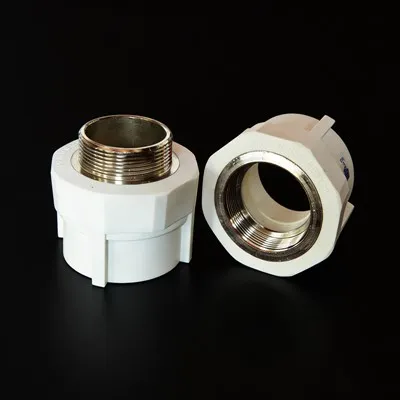
Hey there! As a supplier of Plastic PPR Male Tees, I've seen my fair share of issues that folks run into with these nifty little fittings. In this blog, I'm gonna share some tips on how to troubleshoot problems with Plastic PPR Male Tees.
Leakage Problems
One of the most common problems with Plastic PPR Male Tees is leakage. There could be a few reasons behind this.
Improper Installation
If the PPR Male Tee isn't installed correctly, it's bound to leak. First off, make sure the pipes you're connecting to the tee are clean. Any dirt, debris, or grease can prevent a proper seal. Use a clean cloth or a pipe - cleaning brush to wipe down the ends of the pipes.
When joining the pipe and the PPR Male Tee, it's crucial to use the right solvent cement. Apply the cement evenly on both the pipe end and the inside of the tee socket. And then, insert the pipe firmly into the tee. Hold it in place for a few seconds to allow the cement to set properly.


Sometimes, people don't insert the pipe far enough into the tee. The pipe should be inserted up to the depth mark on the tee. If it's not inserted deeply enough, there'll be a gap where water can seep out.
Damaged Seals or O - rings
Over time, the seals or O - rings in the PPR Male Tee can get damaged. Exposure to high - pressure water, extreme temperatures, or chemical reactions can take a toll on them. If you suspect a damaged seal, you can try replacing it. You can find replacement seals at most hardware stores.
Before replacing the seal, make sure to turn off the water supply. Then, carefully remove the old seal. You might need a small pry tool for this. Clean the area where the seal sits, and then insert the new seal. Make sure it fits snugly.
Cracks in the Tee
Cracks in the Plastic PPR Male Tee can also cause leakage. These cracks can develop due to stress from water pressure, impacts, or age. If you find a crack in the tee, it's best to replace it. You can easily order a new Plastic PPR Male Tee from our stock.
When replacing the tee, cut out the damaged part of the pipe using a pipe cutter. Make sure the cut is clean and straight. Then, follow the proper installation steps I mentioned earlier to install the new tee.
Flow Restriction
Another problem that you might face with a Plastic PPR Male Tee is flow restriction.
Blockages
Blockages inside the tee can reduce the water flow. This can happen if there's sediment, rust, or debris in the water that gets trapped in the tee. To check for blockages, you can try taking off the tee (again, turn off the water supply first).
Once the tee is removed, inspect it carefully. You can use a small pipe cleaner or a wire to try and clear any blockages. If it's a stubborn blockage, you can soak the tee in a mild vinegar solution for a few hours to dissolve the buildup.
Incorrect Tee Size
If the PPR Male Tee is too small for the water flow requirements, it can cause flow restriction. Make sure you choose the right size of tee for your plumbing system. Consider the diameter of the pipes you're using and the expected water flow rate. If you're not sure, you can always contact us, and we'll help you select the appropriate size.
Connectivity Issues
Sometimes, the Plastic PPR Male Tee might not connect well with other fittings.
Mismatched Sizes
It's important to ensure that the sizes of the PPR Male Tee and the other fittings are compatible. For example, if you're trying to connect it to a PPR Fittings Reduce Socket, the diameters have to match up. Check the product specifications before making a connection.
Incompatible Materials
Using different types of materials for fittings can lead to connectivity problems. Stick with PPR fittings throughout your plumbing system to ensure a proper and long - lasting connection. For instance, don't try to connect a PPR Male Tee directly to a metal fitting without using an appropriate adapter.
Pressure - Related Issues
High or low water pressure can also cause problems with Plastic PPR Male Tees.
High Pressure
High - pressure water can put a lot of stress on the tee, leading to leaks or even breakage. If you suspect high water pressure in your system, you can install a pressure - reducing valve. This valve will regulate the water pressure and protect your PPR Male Tee and other fittings.
Low Pressure
Low water pressure can be a sign of a blockage or an issue with the water supply. First, check for blockages as I mentioned earlier. If there are no blockages, the problem might be with the main water supply. You can contact your local water utility company to check for any issues on their end.
Compatibility with Other Fittings in the System
When troubleshooting problems with PPR Male Tees, it's essential to consider their compatibility with other fittings in the system. For example, if you're using a PPR Double Union Ball Valve in conjunction with the tee, make sure they are of the same standard and material. Any mismatch can lead to issues like leaks or improper functioning.
Conclusion
Troubleshooting problems with Plastic PPR Male Tees isn't rocket science. By following these tips, you can identify and fix most common issues. If you're still having trouble or need more information, feel free to reach out. We, as your trusted supplier, are always here to help you with your plumbing needs. Whether it's choosing the right fitting, troubleshooting problems, or placing an order, we've got you covered. So, don't hesitate to get in touch if you're looking to purchase Plastic PPR Male Tees or any other PPR fittings. We're ready to have a chat and discuss your requirements!
References
- plumbing textbooks
- industry - standard installation guides