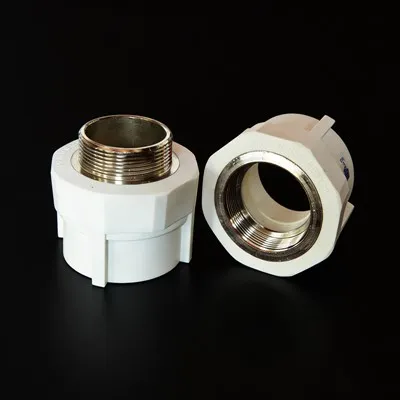
PPR (Polypropylene Random Copolymer) pipes have become a staple in modern plumbing systems due to their numerous advantages, such as resistance to corrosion, ease of installation, and long - term durability. One of the most critical aspects of PPR pipes is their joint strength, which significantly impacts the overall performance and reliability of a piping system. As a PPR pipe supplier, I am well - versed in the science and practical implications of PPR pipe joint strength.
Understanding the Basics of PPR Pipe Joints
PPR pipes are typically joined using a fusion welding process, also known as heat fusion or electrofusion. This method creates a homogeneous bond between the pipe and the fitting, essentially turning them into a single, continuous piece. The strength of the joint is crucial because it determines the pipe's ability to withstand internal pressure, external forces, and environmental factors over time.
When heat is applied to the PPR pipe and fitting during the fusion process, the polymer molecules in both components become mobile. As they cool, they re - solidify, forming a strong and seamless connection. The quality of this joint depends on several factors, including the temperature and duration of heating, the surface cleanliness of the pipe and fitting, and the skill of the installer.
Factors Affecting Joint Strength
1. Material Quality
The quality of the PPR material itself is the foundation of strong joints. High - quality PPR resin has a consistent molecular structure, which allows for better fusion during the jointing process. Inferior materials may contain impurities or have inconsistent molecular weights, leading to weaker joints. As a supplier, I ensure that all our PPR pipes are made from top - grade raw materials, meeting international standards such as ISO 15874.
2. Heating Temperature and Time
Proper heating is essential for creating a strong joint. If the temperature is too low, the polymer molecules will not be sufficiently mobile, resulting in a weak bond. Conversely, if the temperature is too high, the material may degrade, also reducing joint strength. The recommended heating temperature for PPR pipes is usually between 260°C - 270°C, and the heating time varies depending on the pipe diameter. For example, a 20mm PPR Pipe may require a shorter heating time compared to a 63mm PPR Pipe.
3. Surface Cleanliness
Any dirt, grease, or moisture on the surface of the pipe and fitting can interfere with the fusion process. Before jointing, the surfaces must be thoroughly cleaned and dried. Even a small amount of contamination can create a weak point in the joint, making it more susceptible to leaks and failures.
4. Installation Technique
The skill of the installer plays a significant role in joint strength. The pipe must be inserted into the fitting straight and to the correct depth during the fusion process. If the pipe is not inserted properly, it can result in an uneven joint with reduced strength. Additionally, the installer should hold the pipe and fitting in place for the recommended cooling time to allow the joint to fully set.
Testing Joint Strength
To ensure the reliability of PPR pipe joints, various testing methods are employed. One of the most common tests is the hydrostatic pressure test. In this test, the installed piping system is filled with water and pressurized to a specified level for a certain period. If the joints are strong, the system should hold the pressure without any leaks.
Another test is the tensile test, which measures the maximum force a joint can withstand before breaking. This test is particularly useful for evaluating the joint's ability to resist pulling forces, which may occur in applications where the pipes are subject to movement or vibration.
Applications and the Importance of Joint Strength
1. Residential Plumbing
In residential plumbing systems, PPR pipes are widely used for water supply lines. The strength of the joints is crucial to prevent leaks, which can cause water damage to the property. A strong joint ensures a long - lasting and reliable water supply, providing peace of mind for homeowners.
2. Commercial Buildings
Commercial buildings, such as offices, hotels, and hospitals, have more complex plumbing systems with higher water demands. The joint strength of PPR pipes is essential to handle the increased pressure and flow rates. A failure in a joint can lead to significant disruptions and costly repairs.
3. Industrial Applications
In industrial settings, PPR pipes are used for various purposes, including chemical transportation and cooling systems. The joints must be able to withstand harsh chemicals, high temperatures, and extreme pressures. A strong joint is vital to prevent leaks that could pose safety risks and environmental hazards.
Our PPR Pipe Offerings and Joint Strength Assurance
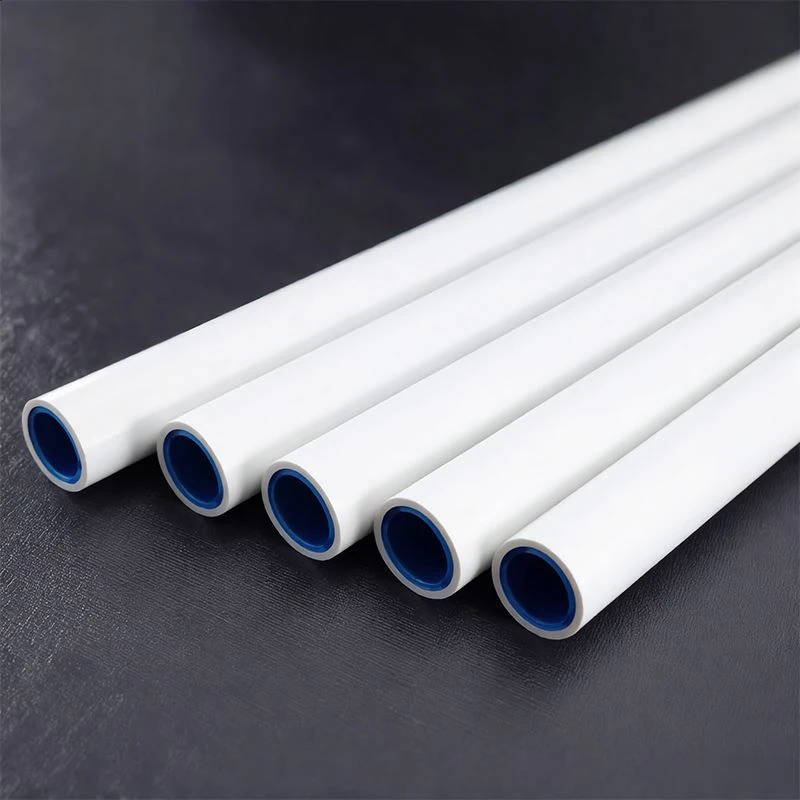
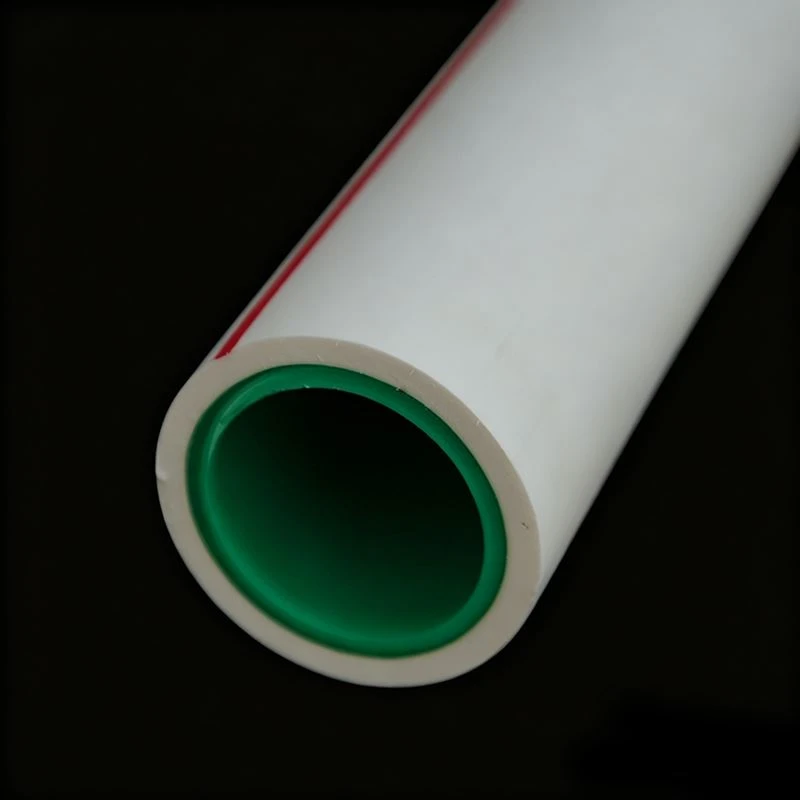
As a PPR pipe supplier, we offer a wide range of PPR pipes, including 20mm PPR Pipe, 50mm PPR Pipe, and 63mm PPR Pipe. We are committed to providing high - quality products with excellent joint strength.
Our pipes are manufactured using advanced production techniques and strict quality control measures. We conduct comprehensive testing on every batch of pipes to ensure that they meet or exceed industry standards. Our technical support team is also available to provide guidance on proper installation techniques to maximize joint strength.
Conclusion and Call to Action
The joint strength of PPR pipes is a critical factor in the performance and reliability of plumbing systems. By understanding the factors that affect joint strength and ensuring proper installation, you can achieve a long - lasting and leak - free piping system.
If you are in the market for high - quality PPR pipes with excellent joint strength, we invite you to contact us for more information. Our team of experts is ready to assist you in selecting the right products for your specific needs and to provide support throughout the procurement process. Whether you are a contractor, a builder, or a homeowner, we are here to help you make the best choice for your plumbing project.
References
- ISO 15874 - 2:2019, Plastics piping systems for hot and cold water installations — Polypropylene (PP) — Part 2: Pipes.
- ASTM F2389 - 19, Standard Specification for Polypropylene Random Copolymer (PP - R) Plastic Hot - and Cold - Water Distribution Systems.
- Technical literature from leading PPR pipe manufacturers.