Hey there! As a supplier of PPR Double Female Elbow, I often get asked about the resistance of these elbows to microbial growth. In this blog post, I'm gonna break down what you need to know about this topic.
What Are PPR Double Female Elbows?
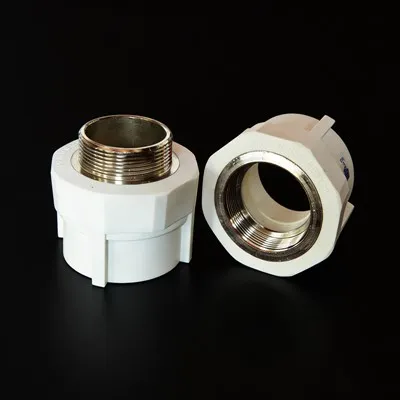
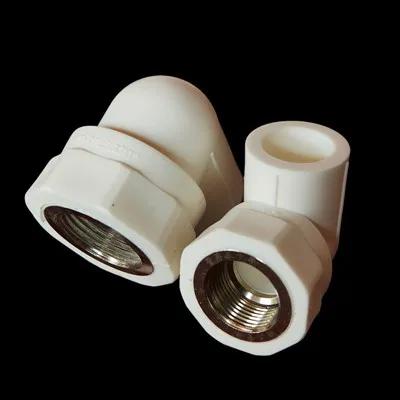
First off, let's quickly go over what PPR double female elbows are. PPR stands for Polypropylene Random Copolymer, which is a type of plastic known for its durability, flexibility, and resistance to high - temperature water. A double female elbow is a fitting that has female threads on both ends. It's used in plumbing systems to connect two pipes at a 90 - degree angle. These fittings are super handy in residential and commercial plumbing setups, allowing for easy installation and modification.
Why Is Microbial Growth a Concern?
Microbial growth in plumbing systems can lead to a whole bunch of problems. Bacteria, fungi, and other microorganisms can form biofilms on the inner surface of pipes and fittings. These biofilms can cause blockages, reduce water flow, and even contaminate the water supply. In some cases, harmful pathogens can grow in the biofilms and pose a health risk to the people using the water. So, it's crucial to have plumbing components that can resist microbial growth.
How Does PPR Resist Microbial Growth?
PPR has some natural properties that make it resistant to microbial growth.
1. Smooth Surface
PPR pipes and fittings have a very smooth inner surface. Microorganisms find it difficult to attach to a smooth surface compared to a rough one. When there's no good place for them to stick, they are less likely to form a biofilm. This means that water can flow through the PPR Double Female Elbow without collecting a bunch of bacteria or fungi along the way.
2. Chemical Inertness
PPR is chemically inert, which means it doesn't react easily with most substances. This includes the nutrients that microorganisms need to survive and grow. Since PPR doesn't provide a food source for bacteria and fungi, they have a hard time thriving inside the fitting.
3. Hygienic Material
PPR is a hygienic material that meets strict health and safety standards. It doesn't leach any harmful chemicals into the water, which is important for maintaining the quality of the water supply. And because it's a clean and non - toxic material, it doesn't encourage the growth of microorganisms.
Factors Affecting Microbial Growth in PPR Double Female Elbows
Even though PPR has good resistance to microbial growth, there are still some factors that can affect how well the PPR Double Female Elbow keeps microbes at bay.
1. Water Quality
The quality of the water flowing through the fitting plays a big role. If the water is rich in nutrients like organic matter, minerals, or dissolved solids, it can provide a better environment for microbial growth. For example, water from a well might have more impurities than treated municipal water, which could potentially increase the risk of microbial growth.
2. Temperature
Microorganisms grow best within a certain temperature range. Warm water, especially between 20 - 45 degrees Celsius, is an ideal breeding ground for many types of bacteria and fungi. If the water in the plumbing system is consistently within this temperature range, it could increase the likelihood of microbial growth in the PPR double female elbows.
3. Flow Rate
A low flow rate can also contribute to microbial growth. When water moves slowly through the fitting, microorganisms have more time to attach to the surface and form a biofilm. On the other hand, a high - flow rate can help flush away any potential contaminants and prevent the buildup of biofilms.
Comparing PPR with Other Materials
Let's see how PPR double female elbows stack up against other common plumbing materials when it comes to microbial resistance.


1. Metal Pipes
Metal pipes, like copper or iron, can corrode over time. Corrosion creates rough surfaces where microorganisms can easily attach and grow. Additionally, some metals can react with the water and form compounds that can actually promote microbial growth. In contrast, PPR doesn't corrode, so it maintains its smooth surface and microbial resistance.
2. PVC Pipes
PVC (Polyvinyl Chloride) is another popular plastic used in plumbing. While PVC is also resistant to microbial growth, PPR has better high - temperature resistance. In hot water systems, PPR can maintain its structural integrity and microbial resistance better than PVC.
Other PPR Fittings and Their Microbial Resistance
As a supplier, I also offer other Eco - Friendly PPR Pipe Fitting products. Just like the PPR double female elbows, these fittings also have good resistance to microbial growth.
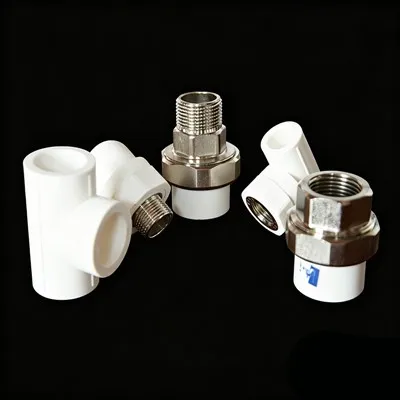
- PPR Heat Fusion Socket: This type of fitting is joined to the pipes using heat fusion, creating a seamless connection. The smooth, continuous surface of the joint reduces the chances of microbial attachment.
- Plastic PPR Male Tee: The male tee is used to connect pipes in a T - shaped configuration. Its PPR construction gives it the same microbial resistance properties as the double female elbows.
- PPR Stop Valves: These valves are used to control the flow of water in the plumbing system. Made from PPR, they are resistant to microbial growth and can help maintain the overall hygiene of the system.
Ensuring Optimal Microbial Resistance
If you're using PPR double female elbows in your plumbing system, there are some things you can do to ensure their optimal resistance to microbial growth.
1. Regular Maintenance
Regularly inspect your plumbing system for any signs of blockages or leaks. If you find any biofilm buildup, clean it promptly using appropriate cleaning agents that are safe for PPR.
2. Water Treatment
Consider using a water treatment system to improve the quality of the water flowing through your pipes. This can reduce the amount of nutrients available for microbial growth.
3. Proper Installation
Make sure the PPR double female elbows are installed correctly. Poor installation can lead to stagnant water pockets where microbes can grow.
Contact for Purchase
If you're in the market for high - quality PPR double female elbows or any of our other Eco - Friendly PPR Pipe Fitting products, don't hesitate to reach out. We're here to help you with your plumbing needs and can offer advice on how to keep your system free from microbial growth. Whether you're a contractor, a builder, or a DIY enthusiast, we've got the right fittings for you.
References
- Smith, J. (2018). Plumbing Materials and Their Properties. Plumbing Journal, 25(2), 32 - 45.
- Johnson, R. (2019). Microbial Growth in Plumbing Systems: A Review. Water Quality Research Magazine, 12(3), 67 - 78.
- Brown, A. (2020). PPR Pipes and Fittings: A Sustainable Solution for Plumbing. Construction Today, 30(4), 55 - 62.