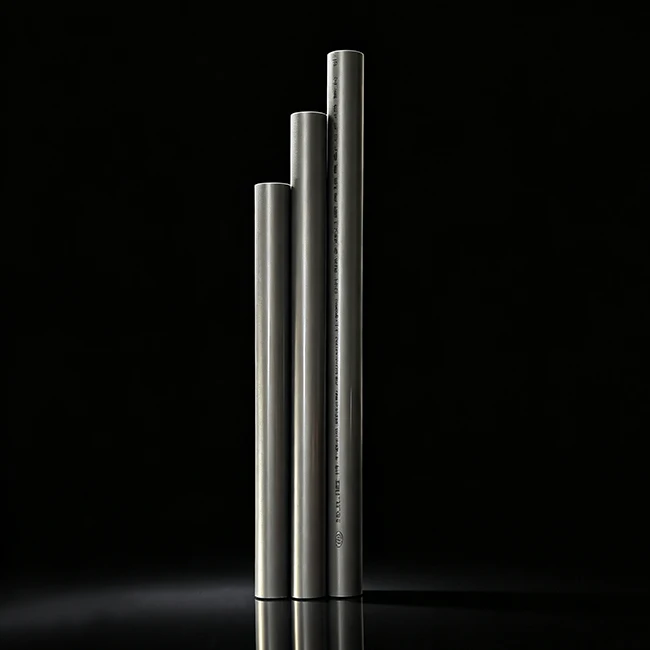
PPR stands for Random Copolymer Polypropylene. Known in the industry simply as "PPR water pipe," it is a specialized plastic piping system for cold and hot water supply. The complete system includes straight pipes, elbows, tees, valves, and other fittings, collectively referred to as "PPR plumbing."
It is manufactured via high-temperature extrusion using 100% virgin plastic and complies with two unified international standards: ISO 15874 and the European DIN 8078. While the standard market version is white, other colors can be customized for bulk orders. Pipe diameters range from 20mm to 110mm, with four pressure ratings (S5, S4, S3.2, and S2.5) suitable for both cold and high-temperature hot water.
Unlike PVC drainage pipes-which are restricted to cold water-PPR is one of the few piping materials suitable for both cold and hot water supply and is the designated material for global direct-drinking water projects.
· Safe for drinking water; no harmful substances leached
The raw material meets international drinking water standards; the smooth inner wall prevents scale buildup and bacterial growth. It is the preferred choice for hospitals and high-end residences in Europe and North America. It does not cause heavy metal contamination during long-term tap water transport, making it ideal for daily household drinking water supply.
· Heat-fused integration; virtually leak-proof
Installation involves using a heat-fusion tool to heat the pipe and fittings; once fused and cooled, the joint and pipe become a single, solid unit. Data from TEPPFA (The European Plastic Pipes and Fittings Association) shows that properly installed PPR plumbing systems have a ten-year leakage rate of only 0.003%-far lower than threaded metal pipes-significantly reducing long-term maintenance costs.
· Temperature and pressure resistant; 50-year service life
It can stably transport 70°C hot water over the long term and withstand short-term exposure to 95°C without deforming. Thick-walled versions rated up to 2.5 MPa are suitable for high-pressure applications in high-rise buildings. Under standard embedded installation conditions, it has a design service life of 50 years, whereas galvanized steel pipes typically require replacement after only 10–15 years. · Lightweight and corrosion-resistant; suitable for diverse environments
Weighing only one-eighth of equivalent steel pipes, they are easy to transport and install. The pipe walls are immune to corrosion from saline-alkali soil or waterborne minerals. Widely used in high-temperature, saline-alkali construction sites in the Middle East and humid building projects in Southeast Asia, they reduce the costs associated with frequent pipe replacement.
· Energy-efficient and recyclable
Low thermal conductivity minimizes heat loss during hot water transport, aligning with global low-carbon building standards. Discarded pipes can be granulated and recycled, making them an eco-friendly building material. The only minor drawback is that prolonged exposure to sunlight accelerates aging; therefore, outdoor installations require a protective insulation layer.
1. Global residential renovation market
White PPR water pipes are the standard choice for whole-house cold/hot water and solar piping systems in new home renovations across China, India, and Southeast Asia. In Europe and North America, PPR piping is replacing aging copper pipes during renovations; the availability of a full range of elbows, couplings, and threaded fittings simplifies installation. In India, where 31,000 new housing units are added daily, PPR is the primary choice for plumbing materials.
2. Commercial and public buildings
The preferred choice for direct drinking water and hot water heating systems in hotels, office buildings, schools, and hospitals. In 2023, over 180 new commercial buildings in North America adopted PPR plumbing systems. Large shopping malls in the Middle East frequently procure thickened, high-pressure variants to handle the high-temperature circulating water required for centralized heating.
3. Small-scale industrial and agricultural applications
Suitable for cooling water circulation in small factories, constant-temperature agricultural irrigation, and the transport of mild chemical fluids. Fiberglass-reinforced PPR pipes are available to prevent sagging caused by heat, ensuring a stable, long-term water supply.
4. Rural drinking water and municipal branch lines
Widely used in global rural safe drinking water upgrades and residential secondary pressurization networks. The pipes are lightweight and support rapid heat-fusion joining, significantly shortening construction timelines. Standard specifications (such as S4 and S3.2) meet the requirements for low-rise municipal water supply.
The combined factors of global urbanization, the replacement of aging pipelines, and green building policies continue to drive rising demand for PPR water pipes. China possesses a complete industrial chain, exporting PPR pipes to 218 countries, with the standard white model generating the highest volume of export orders. Compared to traditional metal or PVC piping, PPR plumbing offers a combination of hygiene, durability, and cost-effectiveness. Whether for residential renovations, construction projects, or international procurement, it represents a reliable, high-value water supply piping solution and is poised to become a mainstream material for global water supply systems.