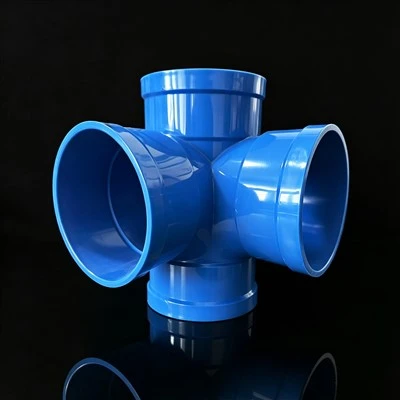
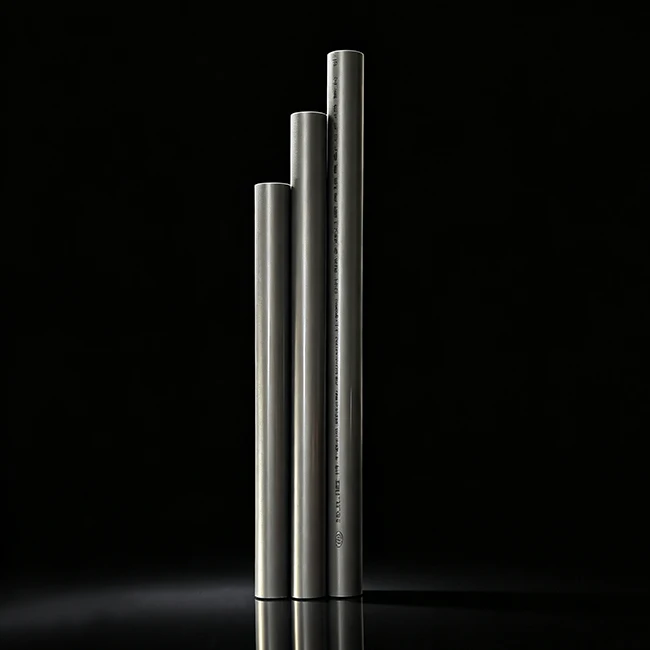
Amidst the ongoing large-scale urban renewal, aging pipeline renovation, and high-end home decoration projects in China, industry forecasts cited by the China Plastics Processing Industry Association (CPPIA) indicate that the Chinese PPR pipe market is expected to reach nearly 90 billion RMB (approximately US$12.5 billion) by 2026.
Despite continuously rising market demand, the industry faces increasingly severe risks from non-compliant and substandard products. Reports show that the low-end market is flooded with cheap pipes made from recycled materials or with wall thicknesses below national standards, posing risks such as leaks, water pollution, and premature pipe failure in water supply systems.
To address these challenges, the China Plastics Processing Industry Association, referencing the "Standard for Design of Building Water Supply and Drainage" (GB 50015-2019), has officially released the "PPR Pipe Procurement Guide for the Entire Process." This guide, aimed at project owners, construction companies, and residential users, systematically standardizes the processes for material selection, supplier verification, price negotiation and evaluation, and acceptance.
Identifying Core Risks
Industry research indicates that some low-priced PPR pipes circulating in the market pose significant risks:
·Contain industrial recycled plastics without hygiene and safety certifications;
·Pressure ratings are falsely labeled, and wall thickness does not meet national standards;
·Prone to bulging and leakage after 2-3 years of use in hot water environments.
These failures not only significantly increase subsequent maintenance costs but also pose a potential threat to drinking water safety.
Core Procurement Recommendations
The new guidelines establish four procurement principles: Raw Material Priority
·National Standard Compliance
·Qualification Verification
· Selection Based on Needs
1. Strict Control of Raw Material Sources
Only products using 100% food-grade virgin polypropylene are recognized as compliant pipes for domestic and municipal water supply. Pipes mixed with recycled materials typically have a dark surface, visible impurities, and significantly reduced temperature and pressure resistance.
The purchaser is advised to request the following documents:
·Raw material traceability report
·Hygiene performance test report
·Credible manufacturer certification
2. Accurately Match Technical Parameters
The guidelines recommend:
·PN25 pipes: for residential hot water and underfloor heating systems (withstands water temperatures up to 95℃);
·PN20 pipes: for cold water and non-critical outdoor piping networks.
All products must meet national standard wall thickness requirements; for projects in high-altitude and cold regions, additional low-temperature impact resistance testing is required.
3. Verify Supplier Qualifications
Prioritize manufacturers holding the following qualifications:
·Green building materials certification
· Hygiene permit for water-related products
· National standard test report
For bulk purchases, verify production capacity, delivery capability, and after-sales service. While qualified PPR pipes are designed for a service life of up to 50 years, commercial warranties typically range from 10 to 30 years.
4. Beware of "Price-Only" Approach
Experts warn against selecting products solely based on price. Products significantly below market mainstream levels are highly likely to involve substandard materials or fraudulent specifications.
Recommended Practices:
·Submit samples for testing before signing contracts
·Conduct random sampling inspections upon arrival
· Verify the quality of the hot-melt connection (clean joints, no excessive overflow)
Industry Outlook
According to association officials, the new guidelines align with China's 2026 building materials control policy and are applicable to municipal engineering, commercial projects, and residential renovations. Standardized procurement is expected to improve water safety, extend pipeline lifespan, and reduce total life-cycle costs.
The association will continue to cooperate with regulatory authorities to gradually eliminate substandard products and promote the PPR pipe industry towards green, standardized, and traceable development.